
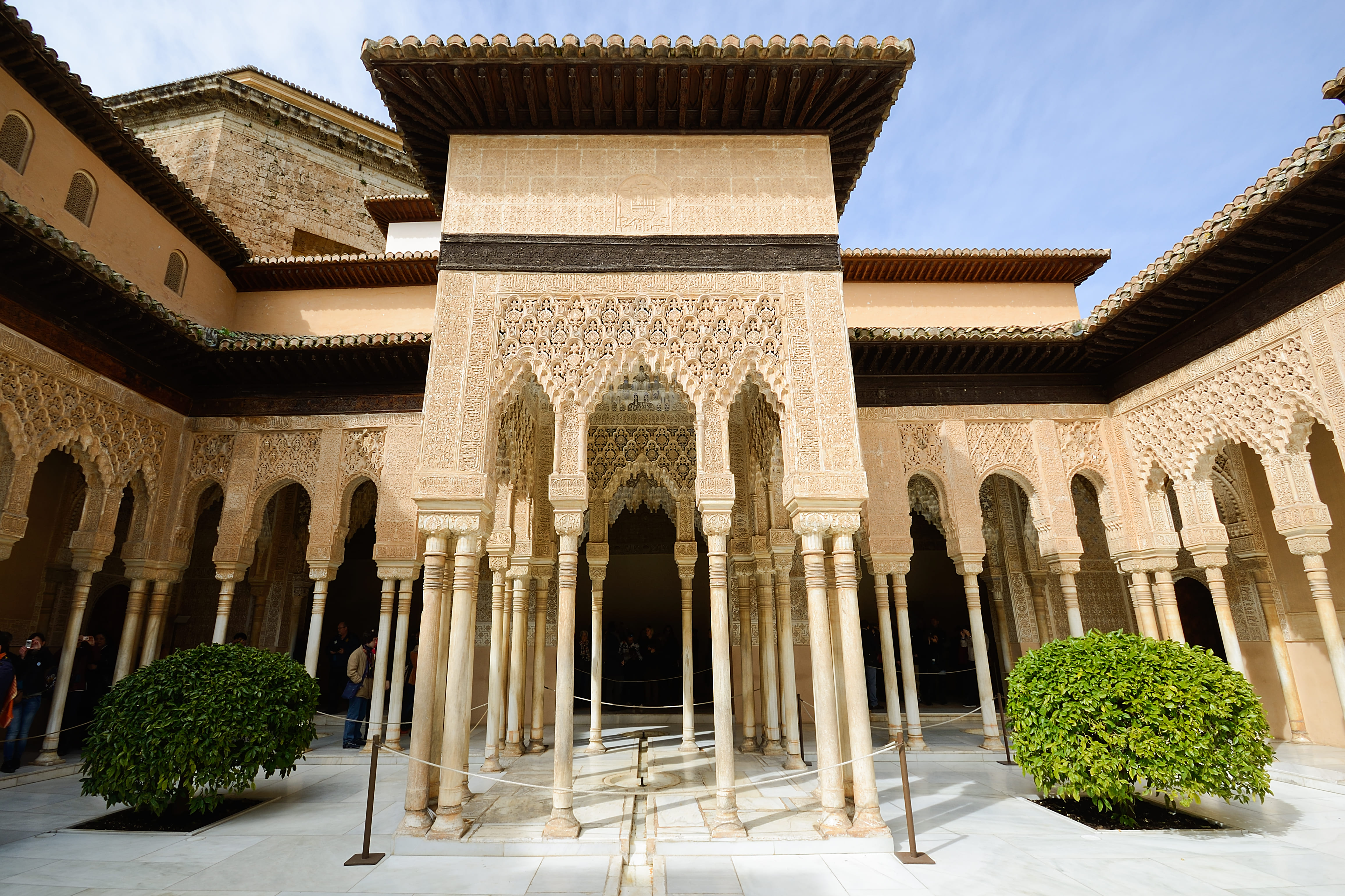
Buying a riad in Marrakech's Medina and restoring it to its original splendour is one of the most rewarding — and complex — property projects a foreign buyer can undertake. The results can be extraordinary: a bespoke home or high-yield guesthouse. But without preparation, the process can become expensive and frustrating.
This guide gives you an honest picture of what riad renovation in Marrakech actually costs, how long it takes, and how to avoid the most costly mistakes.
Budget €600–€1,500/m² for full renovation. Allow 18–36 months for completion. Work only with licensed architects and established local contractors — and always retain at least 15% contingency.
Why Buy a Riad to Renovate?
Unrenovated riads in Marrakech's Medina can be acquired at a significant discount to finished properties — sometimes 40–60% below the cost of a turnkey riad. This gap represents the renovation cost and the effort involved, but for buyers who navigate it correctly, the return is substantial.
A well-executed renovation typically adds 2–3x the renovation cost in property value, while also creating a highly differentiated asset in the short-term rental market where unique, authentic properties command premium nightly rates.
Renovation Costs: What You Will Actually Pay
Renovation costs in Marrakech vary considerably depending on the quality of finishes, the condition of the existing structure, and whether you are working with an established architect or managing the project independently.
| Renovation Scope | Cost per m² | 300m² Riad Total |
|---|---|---|
| Basic refurbishment (cosmetic) | €200–€400 | €60,000–€120,000 |
| Mid-range renovation | €500–€900 | €150,000–€270,000 |
| High-end full restoration | €1,000–€1,500 | €300,000–€450,000 |
| Luxury boutique hotel standard | €1,500–€2,500+ | €450,000–€750,000+ |
These figures include labour, materials and project management but exclude the purchase price of the riad itself and architect/design fees, which typically add 8–15% of the construction budget.
The Biggest Cost Drivers
Several elements disproportionately affect the total renovation budget:
- Structural repairs. Many old Medina riads have compromised foundations, load-bearing walls or failing roof terraces. A structural survey before purchase is essential — these issues can add €30,000–€100,000+ to a budget.
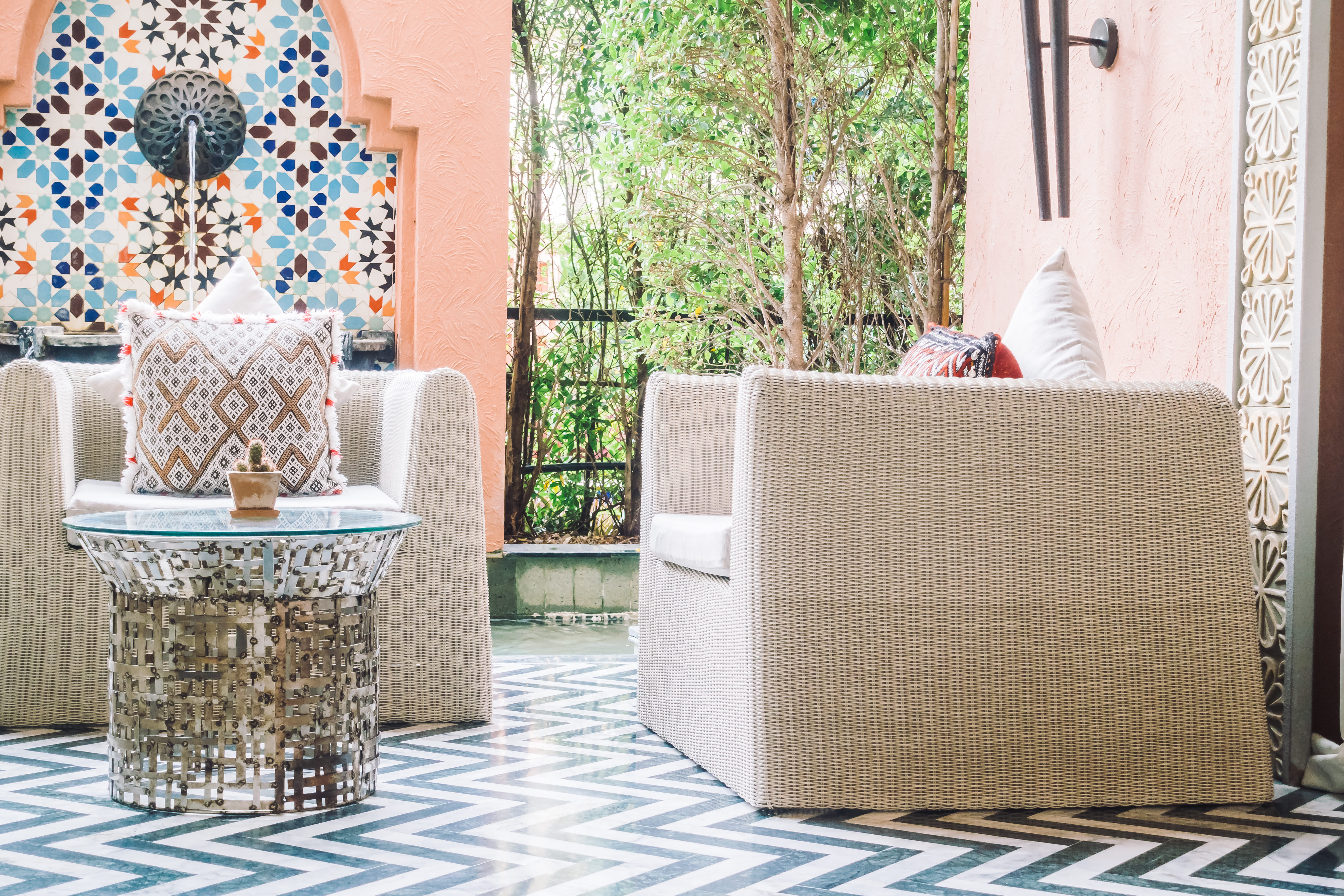
- Zellige tilework. Authentic hand-cut Moroccan zellige is expensive and slow to produce. A fully tiled courtyard or hammam can cost €150–€300/m² for the tiles alone.
- Plumbing and electrical rewiring. Old Medina properties rarely have modern infrastructure. Full rewiring and plumbing installation typically costs €15,000–€40,000 for a medium-sized riad.
- Carved plasterwork (tadelakt and stucco). Skilled artisans for traditional Moroccan plasterwork charge €80–€200/m² and have long lead times. Do not substitute with cheaper alternatives — it will show in the final product and affect rental value.
- Pool installation. A riad pool is one of the highest-impact additions for rental income. Expect €15,000–€35,000 depending on size and access constraints in the Medina.
Renovation Timeline: How Long Does It Take?
Realistic timelines for riad renovation in Marrakech:
- Design and planning phase: 2–4 months (architect, permits, contractor selection)
- Structural work and demolition: 2–4 months
- Infrastructure (plumbing, electrics, drainage): 2–3 months
- Building, tiling, plastering: 4–10 months
- Finishes, joinery, furnishing: 2–4 months
Total: typically 12–24 months for a straightforward renovation and up to 36 months for a complex, high-spec project. Add 20–30% to your estimated timeline as a baseline buffer.
Permits and Regulations
Renovation work in Marrakech's Medina — a UNESCO World Heritage site — is subject to specific regulations. All structural modifications, new construction (including pools), and façade changes require prior approval from the Marrakech municipality and, in some cases, from the heritage authority (DRAC).
Your architect will handle permit applications as part of their mandate. Never begin structural work without the required authorisations — illegal construction can result in demolition orders and significant fines.
Finding Reliable Contractors
The quality of your contractors determines everything. We recommend the following approach:
- Hire a licensed Moroccan architect (architecte DPLG) before any other step. They manage contractor selection, site supervision and compliance.
- Request detailed written quotes from at least three contractors. Be very specific about materials and quantities — vague quotes lead to disputes.
- Never pay more than 30% upfront. Structure payments in stages tied to completion milestones.
- Visit completed projects by any contractor you are considering — and speak to the clients directly.
- Retain a local project manager (maître d'œuvre) if you will not be physically present in Marrakech during construction.
The 5 Most Common Riad Renovation Mistakes
- Skipping the pre-purchase structural survey. This is the single most expensive mistake. A €1,500 survey can save you €50,000 in unexpected structural repairs.
- Underestimating the budget. First-time renovators typically underestimate by 30–50%. Apply a 20% contingency minimum — 30% if the property is in poor condition.
- Managing the project remotely without a local representative. Without daily oversight, materials go missing, corners are cut and timelines slip. A local project manager is not a luxury — it is a necessity for remote owners.
- Using non-authentic materials. Cheap tiles, mass-produced plasterwork and imported fittings will reduce both the rental value and resale value of your finished riad. Buyers and guests notice.
- Not obtaining proper permits. Illegal renovations can be discovered during property sales. A buyer's notary will identify unpermitted work and it can block a sale entirely.
What Return Can You Expect After Renovation?
A well-renovated riad with a pool in a prime Medina location — positioned as a maison d'hôtes or boutique rental — can generate gross rental yields of 8–14% per year. Occupancy rates of 60–75% are achievable for well-managed properties listed on Airbnb and Booking.com.
On the capital appreciation side, the purchase + renovation cost of a riad will typically be recouped within 6–10 years through rental income alone, with the underlying asset holding or growing in value over that period.
The best riad renovation projects we have seen start with a clear brief: know whether you want a personal home, a rental asset, or both. This decision shapes every subsequent choice — from the architect you hire to the finishes you specify. Starting without clarity costs time and money.